

Image Credit: Depositphotos
Dr. John Delony says it all the time: “Behavior is a language.”
And this is true.
For years, body language experts have studied what people say and, just as importantly, how they act as they speak.
As such, communication is about more than words. It is about actions as well.
If words and actions align, it creates a sense of trust. If they differ, people have an innate sense of knowing something is incongruent.
This is also true in human behavior. You can learn a lot about a person by observing their behavior. This is important because, if you observe how a person behaves, it will help you better communicate with them in their way. This creates alignment.
The Four People You Meet in a Restaurant
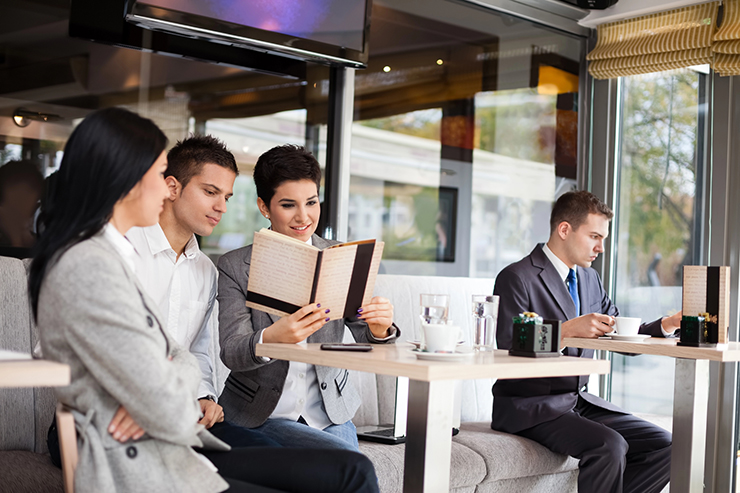
The next time you are in a restaurant, you may notice these four people.
Person D
They pull into the parking lot like they are on a mission, because they are. They are always on a mission.
They get out of the car and walk swiftly to the entrance.
Once inside, they look to find the most direct path to a seat; and, if they must wait, they will be up every few minutes asking how much longer until their table is ready. They may step in and out frequently as they multi-task waiting with phone calls and texts. To them, waiting time is a challenge to be productive in a short timeframe. And while they hate to wait, they love the challenge.
When they order, it is clear and direct. They know what they want, and they order it. Period. If the order is not up to par, they do not hesitate to send it back.
If they are dining with someone, the conversation will be centered on strategy and action.
Person I
You’ll notice this person by the smile on their face, the spring in their step, and the brightness of their clothing. Heads turn when they enter the restaurant, as they tend to be centers of attention, even if unwittingly.
While they, too, may have to wait for a table, you will find them making new friends with everyone around them. If they are there with a companion, you will hear bouts of laughter.
When it comes to the menu, they see endless possibilities. They may order something different each time or chat with the server to find out what is new. They usually know all the servers by name.
They thoroughly enjoy the meal, not just for the food, but for the chance to socialize. In fact, they seldom eat alone. Instead, you may find them at the center of extended tables, surrounded by friends and family.
Person S
This person pulls into the parking lot at a more measured pace. They may see an older couple and defer the closest space to them. Once they park, they check to be sure their doors are locked and the windows are up, and then they walk casually into the restaurant.
If they have to wait, they find a quiet spot and pull out their phone or a book to read. They may take the time to make notes in their planner. They will smile at others who look their way, and many take this as an invitation to tell them their whole life story. While they may not initiate a conversation, they often find themselves involved in a lengthy one, mostly listening.
Once inside, they usually order the same meal. If the food is not cooked fully to their liking, they may say, “Well, maybe the cook is just having a bad day. This is fine.”
They usually eat with a chosen friend or small family group. Their conversation centers on listening and asking, “How are you doing?”
Person C
You will notice this person as they pull into the parking lot in a shiny vehicle that looks like it just got out of the detailing shop. They park away from other cars and may pull in and back out before pulling in “just right”.
They exit the car and walk straight and tall into the restaurant. Even if casual, there is a regality in the way they carry themselves.
Once inside, they politely request a seat and then take their place in a quiet corner to wait. They check their watch regularly and observe the comings and goings of the staff to try and determine how long their wait will be.
Once inside, they order their meal with precise directions as their preferences. They are polite to the staff, but do not welcome a great deal of chit-chat.
They may eat alone or with a friend. And the conversation will be quiet and measured. They may discuss ideas and solutions or, if alone, they may do a crossword puzzle to pass the time.
The Language of Behavior
In each of these examples, behavior is a language. They tell you by their actions who they are and how to best communicate with them.
If you are the server in these examples, you will:
- Serve Person D swiftly and deliver their check promptly when they are done.
- Be extra friendly and chatty with Person I, taking time to join the conversation as you check in on them during the meal.
- Be cordial and personable with Person S, giving them time and space to have a relaxing meal.
- Be prompt and precise with Person C, being sure to provide refills and remove plates with the least intrusion possible.
The result is the same: very satisfied customers. But the approach, for each, is tailored to their behavioral indicators.
Whatever business you are in, and whoever you encounter, this same rule applies.
Remember: Behavior is a language. Learning the behavioral language of others will make you a more impactful communicator.
For valuable resources on Leadership Strengths and Tools, click here.
Deb Ingino is a highly sought-after executive coach, mentor, consultant, and speaker worldwide. Deb is well versed in business operations and in the importance of asking key questions most business leaders won’t ask themselves. She brings deep experience in leadership development, strategy, high performance team building and effective communication. She has a passion for leading people to discover and maximize their strengths as well as those of fellow team members, while offering advanced strategies to achieve high performance. Deb is the perfect fit if you’re ready to take your leadership and impact to the next level!






+ view comments . . .