




Image Credit: Depositphotos
There has always been a diversity of generations in the workforce, making for an interesting dynamic. It provides a natural blend of experience, ideas, and energy that, together, have served well through time.
But now, with more generations in the workforce than ever, the generational dynamic can find itself falling apart instead of pulling together.
One could argue many factors are at play, not the least of which is that the newest generation is a product of both technology and a pandemic, two factors which have highly impacted the social fabric of the world.
This generation came of age hiding behind a mask, standing six feet apart, and connecting mainly via screens.
Now, they are thrust into the workplace, with the expectation that they will know how to interact in real life with real people.
And so it is, that studies have found that Gen Z struggles with workplace communication more than other generations. Small talk is cringe-worthy for a generation that is more comfortable conversing online than in-person.
And yet, communication is essential in creating a cohesive working team.
How can leaders bridge this generational communication gap?
Understand These Dynamics
Because other generations did not have these isolating factors, they may not understand why this latest generation struggles with some types of communication. But good communication begins with good understanding. “Walk a mile in their shoes,” as the saying goes, and you begin to understand their challenges.
Make the First Move
You can’t expect that someone who is new to the workplace, especially if they have been working or studying remotely, would feel comfortable from day one. Thus, it is more important than ever to welcome new employees and help them get acclimated to their new environment. Give them time to adjust.
Find Common Ground
Small talk used to be the way to do this. By asking a few questions, you could learn a person’s interests and quite easily find common ground. But Gen Z finds small talk cringe-worthy. It may feel intrusive or irrelevant.
What does help develop common ground with this newest generation is to work together on a project, and especially if it is one where their strengths can be incorporated and appreciated. Technology and hands-on creative projects are a great example of this.
In this setting, conversation can come naturally, without feeling forced.
Know Their Preferences
In the Maxwell DISC system, there are four main behavioral types: D, I, S, and C. Each of these has preferred ways to communicate and work that are unique to them. Great leaders learn these preferences and tailor their communication accordingly.
This begins to create an atmosphere of comfortability and trust, which is important for a generation who came of age in a time of great uncertainty.
Learn What Matters Most to Them
Gen Z seeks purpose in their work. This is why it is important to help them see how the work they are doing can have an impact on others. It is important to let them know they bring value to the team.
Speak Succinctly and with Authenticity
This generation prefers quick communication. Long, boring meetings will not work for them. In fact, long, boring meetings never really worked for anyone, so maybe they are just making a point that should have been made long ago.
And authenticity matters…a LOT. If you want to establish a trustworthy relationship with a Gen Z team, you must be real.
Be Creative and Have Fun
This is where this generation brings interest to the workforce. They bring a new element of creativity and fun that is needed. Yes, they can be very serious and deep; but they also want to enjoy their work. And, let’s face it, the workplace could use a little more of this. Their creativity will build the future.
Help Them Find Their Voice
When a Gen Z person finds their voice, they tend to be highly articulate and often speak with a depth beyond their years. This is why it is important to create a culture where they can feel safe to share their thoughts and ideas. They bring a unique perspective.
As a leader, how will you build a bridge for this new generation? How can you better lead and help them grow into the future leaders of tomorrow?
For valuable resources on Leadership Strengths and Tools, click here.
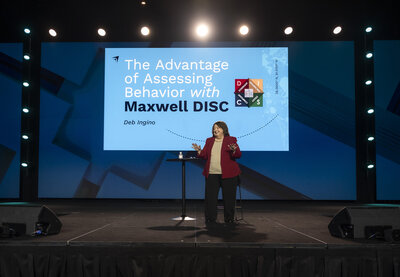
Deb Ingino is a highly sought-after executive coach, mentor, consultant, and speaker worldwide. Deb is well versed in business operations and in the importance of asking key questions most business leaders won’t ask themselves. She brings deep experience in leadership development, strategy, high performance team building and effective communication. She has a passion for leading people to discover and maximize their strengths as well as those of fellow team members, while offering advanced strategies to achieve high performance. Deb is the perfect fit if you’re ready to take your leadership and impact to the next level!








+ view comments . . .