




Image Credit: Depositphotos
Think about the businesses you frequent, from restaurants to retailers. Consider the transportation you use, the foods you eat, and the services you engage.
Uniqueness
Each of these businesses has something unique that draws you to it.
- The massive big-box store that offers modular furniture and accessories with endless configurations, has affordable pricing, and serves signature meatballs in its cafeteria.
- The big-box store in every sizeable community that brings access, selection, and competitive pricing to the forefront.
- A no-frills local grocery store whose hallmark is quality food, low pricing, and a guarantee to back it up.
- The restaurant known for its focus on real food, product simplicity, and streamlined service.
- The old-fashioned restaurant founded on homemade food, nostalgia, and an infamous front porch.
- An auto manufacturer known for its intense focus on quality and reliability.
- An aerospace company with an outstanding safety record.
- An investment firm respected for its integrity.
- A candy company with a decades-proven recipe and a cult following.
- A generational beverage company with an iconic brand and taste.
- Your local plumber or electrician with a reputation for professional service, reliability, and prompt response.
What makes each unique is a direct reflection of its values. These are the values that have established and grown the business. And, frankly, these are the values that draw you to the business as a customer.
Change
But when these values change, it can be devastating. The quality goes down, the pricing goes up, the recipe changes, the ambience is lost, the integrity turns to fraud, and the service fails.
You have, no doubt, observed these changes in companies over time. When the values change, rest assured, customers and clients take notice. The things that drew you to the company, if allowed to erode, will create a loss of trust in the brand.
Some companies recognize this before it is too late. They refocus on their core values and re-establish trust.
But some double-down in the name of progress and efficiency, and then, eventually, go out of business. They have broken a trust with their customer base, with no effort to gain it back.
Importance
This is the importance of having clear core values.
- You establish them.
- State them simply.
- Instill them in every facet of your business.
- And don’t compromise.
Yes, you must adapt and change your business over time. Products, promotions, and processes may adapt. But your core values, if carefully selected, should not change. They are foundational.
Bottom Line
Building a business on solid values makes you unique. It creates a sense of trust with your customers and clients. It draws employees who share and support those values. And it creates profitability.
Application
- Does your company have well-defined core values?
- How are they reflected in your offerings?
- How do they impact your income and profitability?
- Are there any values starting to erode that need attention?
Curious how your company measures up in this area, with real data you can take to the bank? Connect with us or take the assessment here (https://www.orgiqsuite.com/). Get your Culture Scorecard today and get back on track to success.
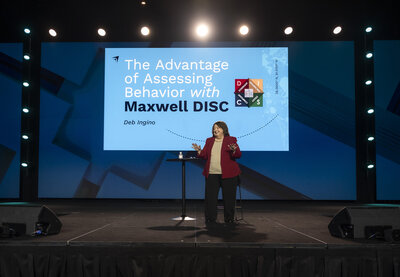
Deb Ingino is a highly sought-after executive coach, mentor, consultant, and speaker worldwide. Deb is well versed in business operations and in the importance of asking key questions most business leaders won’t ask themselves. She brings deep experience in leadership development, strategy, high performance team building and effective communication. She has a passion for leading people to discover and maximize their strengths as well as those of fellow team members, while offering advanced strategies to achieve high performance. Deb is the perfect fit if you’re ready to take your leadership and impact to the next level!







+ view comments . . .